
46 Courses

The Architects Series
m2atelier
M2atelier is an international architecture and design firm founded in Milan by Marco Bonelli and Marijana Radovic. The studio brings together their two distinct yet complementary professional paths. With more than 20 years of experience, the two founding partners established the multidisciplinary practice in 2012, operating on a global scale while maintaining a design identity rooted in Italian culture.
The firm is defined by an approach that spans diverse typologies and contexts, from residential architecture to hospitality, retail, yacht design, and product design. This cross-sector expertise informs a design practice that eschews a repetitive, signature style. Instead, the studio develops each project as a unique experience defined by proportion, materiality, and context.
At the core of m2atelier’s work is an ongoing exploration of materials, spatial balance, and proportion, complemented by a rigorous attention to detail. Its creative process involves an ongoing dialogue between vision and pragmatism to achieve solutions that are both disciplined and evocative. Over the years, m2atelier has built an international portfolio of projects for prominent brands and clients worldwide. Key projects include CORE: Club New York, a multilevel space that integrates cultural, wellness, and hospitality functions into a seamless spatial narrative, and ORA by Casa Tua in Miami, which showcases an approach to hospitality that prioritizes intimate atmospheres and tactile materiality.
Other highlights from the firm’s portfolio include Norway Summer House, an understated dialogue between architecture and nature set in the Nordic landscape, and a private residence in Merate. Both demonstrate the firm’s ability to translate different identities into cohesive, enduring structures. In the nautical sector, the Azimut Grande yacht set a benchmark for typological innovation and spatial quality, envisioned as “architecture in motion.”
M2atelier views design as an open, evolving process that adapts to diverse cultural contexts while maintaining internal coherence. Architecture thus serves as an interpretive tool. Every project emerges from a close reading of the site and the client’s specific needs, resulting in spaces that prioritize quality, longevity, and perceptual balance.
An evolving creative laboratory and a hybrid space where life and work intertwine, the Milan headquarters embodies the firm’s identity.
M2atelier has established itself as a leading voice on the international stage, combining Italian craftsmanship with a global outlook. The firm contributes to a new contemporary architectural language rooted in balance, authenticity, and ongoing inquiry.
The Architects Series
Wilmotte & Associés
In 1975, world-famous architect, urban designer, designer, and member of the French Academy of Fine Arts JeanMichel Wilmotte founded the architecture firm Wilmotte & Associés. Today, the practice has offices in Paris, Nice, London, Milan, Venice, and Seoul and operates internationally. Together with design studio Wilmotte & Industries, the group comprises 220 professionals – architects, urban designers, designers, museum designers, and interior designers – from 26 countries.
For 50 years, Wilmotte and his team have worked on projects around the world, making people, culture, and local history the cornerstone of every project. The firm’s approach combines innovation and responsibility with a keen focus on materials, light, finishes, and the relationship with the landscape – always with respect for the historical and environmental contexts.
Although the firm shows a marked preference for museums and cultural spaces, reclamation, and adaptive reuse projects, Wilmotte has gradually extended the studio’s activities to largescale projects. Today, it has completed over 100 projects in 30 countries and is a benchmark in the luxury, culture, hospitality, and services sectors.
Among its best known projects are Le Grand Palais Éphémère, the Sciences Po campus, the world’s largest startup campus Station F, and the Lutetia hotel, all in Paris, and L’Oréal’s headquarters in Clichy. Others include Allianz Riviera in Nice, the Daejeon Cultural Center in South Korea, Unilever’s headquarters in RueilMalmaison, the Metz convention center, the London offices of Google and JCDecaux, the Ferrari Sports Management Center in Maranello, the São Paulo congress and exhibition center in Brazil, a residential tower in Dallas, and United Nations House in Diamniadio, Senegal.
Current projects include the redevelopment of Gare d’Austerlitz in Paris, the new ParisSaintGermain sports center in Poissy, the ArcelorMittal headquarters in Luxembourg, the Silk Road Museum in Samarkand, and the Center of Islamic Civilization in Tashkent.
The studio has distinguished itself in museum design, delivering projects for major institutions such as the Grand Louvre and Musée d’Orsay in Paris, and the Museum of Islamic Art in Doha. Its design of the Rijksmuseum in Amsterdam was awarded Best European Museum in 2015.
JeanMichel Wilmotte describes himself as both a custodian of heritage and an innovator who looks to the future. This translates into elegant, generous architecture that can transform and enhance its location. His architectural vision has been shared with new generations through the Wilmotte Foundation, established in 2005, and the W Prize, an international competition dedicated to the contemporary reuse of historic buildings.
The Architects Series
Mino Caggiula Architects
Founded in Lugano by Swiss-Italian architect Mino Caggiula, the studio is a growing business with offices in Switzerland and Italy. The hallmark of the firm’s design philosophy is its unique blend of on-site construction experience, theoretical research, a human-centric approach, and a drive for innovation. For Mino Caggiula Architects, architecture never occurs in a vacuum but grows from a process that combines construction practice, cultural vision, and social awareness. The founder’s career path reflects this approach, with Caggiula starting work at a young age on construction sites. After nearly 30 years of practice, he has combined his hands-on knowledge of materials and construction processes with advanced studies. The result is an approach that treats every project as an opportunity to balance the human and environmental, technology and nature, and community and the individual.
The firm’s portfolio ranges from site-specific projects to urban-scale developments, all of which are hallmarked by the same constant attention to contextual integration and the quality of spaces for their users. Mino Caggiula Architects’ projects are known for balancing a strong formal and conceptual identity with integration and dialogue with their context. Design goes beyond simply meeting functional requirements to become a cultural act that generates meaning and reflects the complexities of the present.
An important element of the firm’s work is its focus on well-being, understood not only as physical comfort but as a state of mental and emotional balance. It works to make the spaces it designs places of regeneration that are open to light, nature, and social interaction. Its architecture is therefore a tool for improving people’s lives by creating environments that foster relationships, creativity, and contemplation.
Mino Caggiula Architects views technological innovation simply as a means to the end of expanded design possibilities. Advanced digital tools, material research, and harnessing sustainable processes open the door to examining new solutions, while the human and cultural dimensions of a project remain central.
Mino Caggiula Architects has received awards and mentions in international competitions, distinguishing itself for tackling complex challenges with an innovative and poetic vision. Prime examples are projects such as Paguro, Blade, Atelier Villa Trepp, and Nice Paradise Residence.
The firm’s philosophy was recently set down on paper in the monograph Open Being, published by THE PLAN Editions, which brings together projects, thoughts, and images that capture the essence of an architectural journey that balances the concrete and the conceptual. Caggiula describes the book as “an account of our relentlessly frenetic lives, which force us to keep moving yet still offer transitional moments that invite reflection.”
With an approach that combines technical rigor and poetic openness, experimentation and memory, and innovation and humanity, Mino Caggiula Architects has become a key figure in international architecture. Rooted in experience yet always pushing the boundaries of established practice, its architecture sees the built environment as functional as well as an aesthetic, cultural, and vital experience.
The Architects Series
AIA Life Designers
Founded in 1965, AIA Life Designers grew out of a pioneering vision to create a place where architects and engineers can work side by side in interdisciplinary teams. This has since evolved into a structured, versatile organization comprising over 650 professionals – including architects, urban planners, landscape architects, engineers, economists, project managers, and site managers – across five divisions: AIA Architectes, AIA Ingénierie, AIA Management, AIA Territoires, and AIA Environnement.
The hallmark of the firm is its highly multidisciplinary nature, which is reflected in its design approach, method, and vision. Every AIA project is the result of organic collaboration and shared thinking, where the diversity of expertise and perspectives generates designs that respond to present-day complexities and anticipate future needs. In a constantly changing world, AIA promotes a shared and inclusive architectural culture in which collective intelligence fuels design.
Among the guiding principles that define the firm’s design identity are dialogue with context, structural resilience, permeability between interior and exterior, the perception of space, and imagination as a collective and participatory act. “Living” is seen as the centrality of people in the built environment, with each project conceived to adapt and transform according to user needs and evolving ways of living.
Sustainability is an integral part of AIA’s design approach, not only from the environmental and technological standpoints but also as an ethical and cultural reflection on architecture’s role in society. Nature is not peripheral or incidental but the fulcrum of the design process. Plantlife and landscape are integral elements from the earliest phases for their contributions to soil regeneration, biodiversity, and urban quality of life. Likewise, innovation is interpreted through a humanistic and social lens – not only digital and technological but, in particular, relational, educational, and cultural.
To support this vision, in 2011 AIA established the AIA Architecture, Health, and Environment Foundation, a multidisciplinary research center that addresses central themes such as healthcare, the city, and well-being. Through publications, studies, conferences, and scientific activities, the foundation raises awareness and builds shared visions for the future of life.
AIA Life Designers embodies a new idea of the profession, in which passion for the art of construction goes hand in hand with a deep sense of civic responsibility to design not only buildings but also better living conditions for all.
The Architects Series
Blurring Lines
Founded on the stylistic heritage of its automotive parent brand, Pininfarina Architecture stands out for a design approach that embraces technology, social impact, and beauty – but not beauty for beauty’s sake, but as a value that generates both meaning and emotion. This principle is a common thread in every project – a design ethos that doesn’t chase fleeting trends but aspires to timelessness, interpreting change rather than being controlled by it. The studio’s vision draws inspiration from the automotive industry, in which form is always at the service of function and experience.
Pininfarina Architecture’s most significant projects include Blue Loop, a new urban ecosystem in Shanghai; ATC Istanbul Airport, the futuristic air traffic control center for this important international hub; and ICONIC Residences, a luxury residential complex in Dubai.
The studio aims to create architecture that evolves organically, withstanding the rapid pace of modern life while simultaneously embracing its social, cultural, and technological innovations without losing its identity. The result is architecture that dialogues with its context while retaining its own distinctive personality – a perfect fusion of Italian design, innovation, and research.
With offices in Italy, China, the United States, and Germany, Pininfarina Architecture has established itself as a leading player on the international architecture stage. With projects that span a diverse range of sectors, its designs demonstrate a unique ability to convey the brand’s fluid, dynamic language across every level of design. Each project reveals a seamless narrative composed of enveloping lines, quality materials, attention to sensory impact, and a focus on the individual’s experience.
At the heart of the design process is a highly structured preparation and briefing phase, which begins with gaining a deep understanding of the client’s values, culture, and vision. By actively listening to clients, a clear and mutually agreed design brief is developed to guide each subsequent phase, from concept to completion.
At the heart of Pininfarina’s UX philosophy is a multisensory, interactive design approach that redefines spaces as immersive experiences, in which every element – from lighting to materials, volumes, and textures – has a role in stimulating perceptions, creating comfort, and forging emotional connections. Space is no longer something we merely inhabit, becoming instead an experiential platform that evolves with its users.
Spatial coordination and artistic supervision provide further assurance of quality, with every detail scrutinized and checked against the original concept to ensure maximum alignment between vision and reality. This is also achieved through ongoing dialogue with local teams and stakeholders.
Finally, with its brand licensing service, Pininfarina Architecture supports its projects with a robust communication and positioning strategy that leverages the evocative power of the brand to reinforce each project’s identity and transform it into a compelling narrative and marketing tool.
The Architects Series
Wellbeing, Sustainability, and Meaningful Experiences in Urban Living
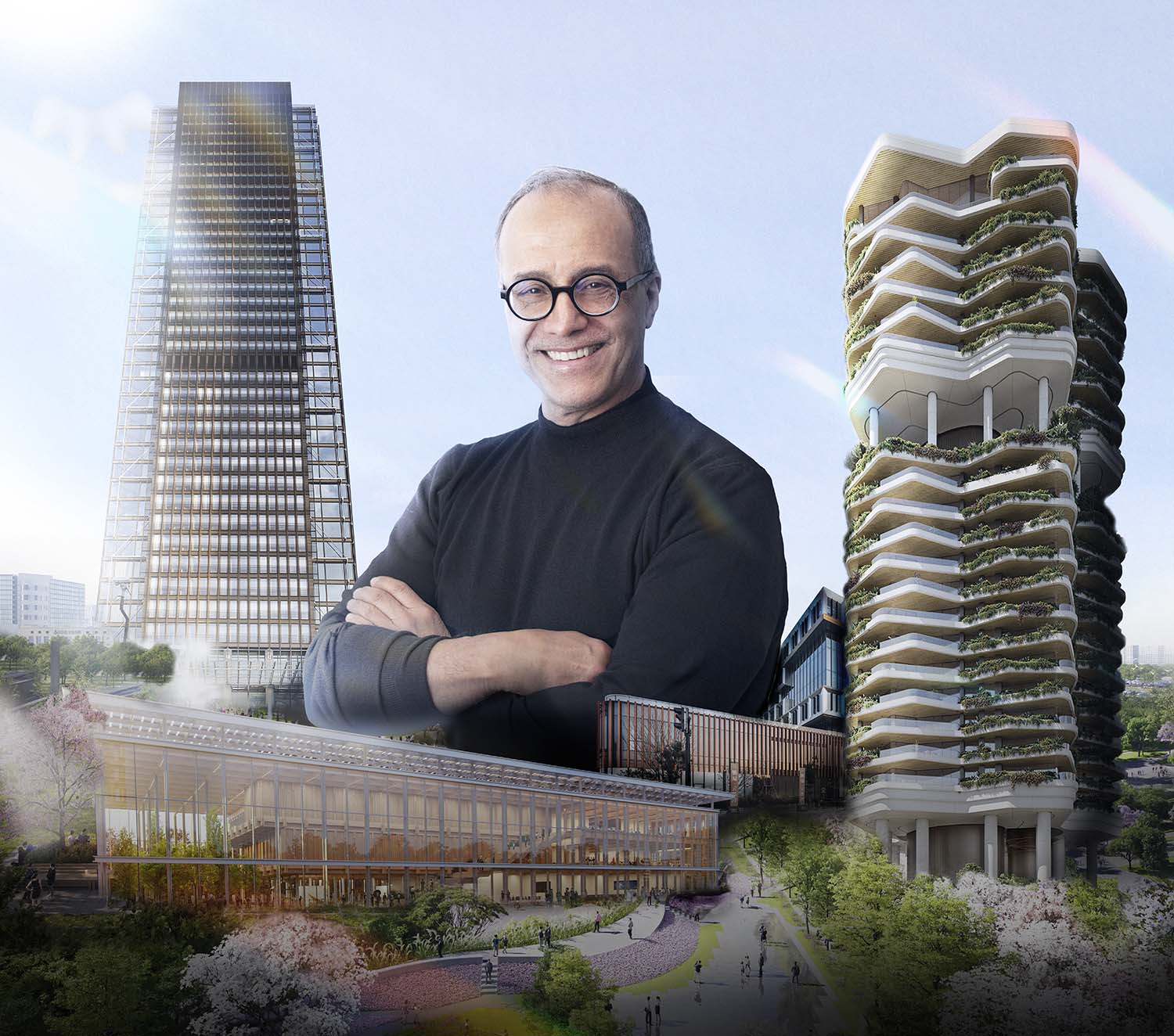
From its offices in London, Tokyo, and Singapore, PLP Architecture drives design innovation by bringing together people, architecture, and technology. Its expertise in design, research, and strategic planning is underpinned by an unwavering commitment to effecting meaningful change in cities. Its most iconic projects include The Edge in Amsterdam, hailed as one of the world’s most sustainable buildings; 22 Bishopsgate, the tallest skyscraper in the City of London; and Park Nova in Singapore, a prime example of biophilic luxury applied to residential architecture. Each project is a testament to the studio’s ability to create visionary, transformative architecture.
The strength of PLP Architecture lies in its diversity. Representing 37 nationalities and speaking 45 languages, the team fosters a dynamic exchange of ideas and perspectives that enriches every project. This diversity enables the firm to fully understand clients’ needs and address design challenges through a combination of local insight and international expertise. This has translated into a portfolio of over 650 projects in 37 countries, from Japan’s largest urban regeneration project near Tokyo’s Imperial Palace to Bankside Yards, the UK’s first major fossil fuel-free, mixed-use development.
The studio’s offices are conceived as expansive, open spaces, where 150 professionals work side by side, designing, discussing, sharing ideas, and working with clients and partners. Transparency, trust, and ongoing dialogue underpin a workplace that nurtures talent and fosters professional growth. Every team member is an innovator, a thinker, and an entrepreneur dedicated to creating buildings and spaces that enhance the quality of urban life.
Research is a central element of the firm’s activities. Through PLP Labs, its in-house research group, it explores new frontiers in architecture and urban design in collaboration with international experts. Innovation is a key part of the studio’s commitment to sustainability, as it works to reduce the environmental impact of buildings through targeted strategies, including material reuse, work with innovative biomaterials such as mycelium building blocks, and reducing carbon emissions during construction. International sustainability accreditations attest to the studio’s contribution not only to contemporary architecture but also to protecting the planet and improving people’s quality of life.
The Architects Series
Shaping Desires
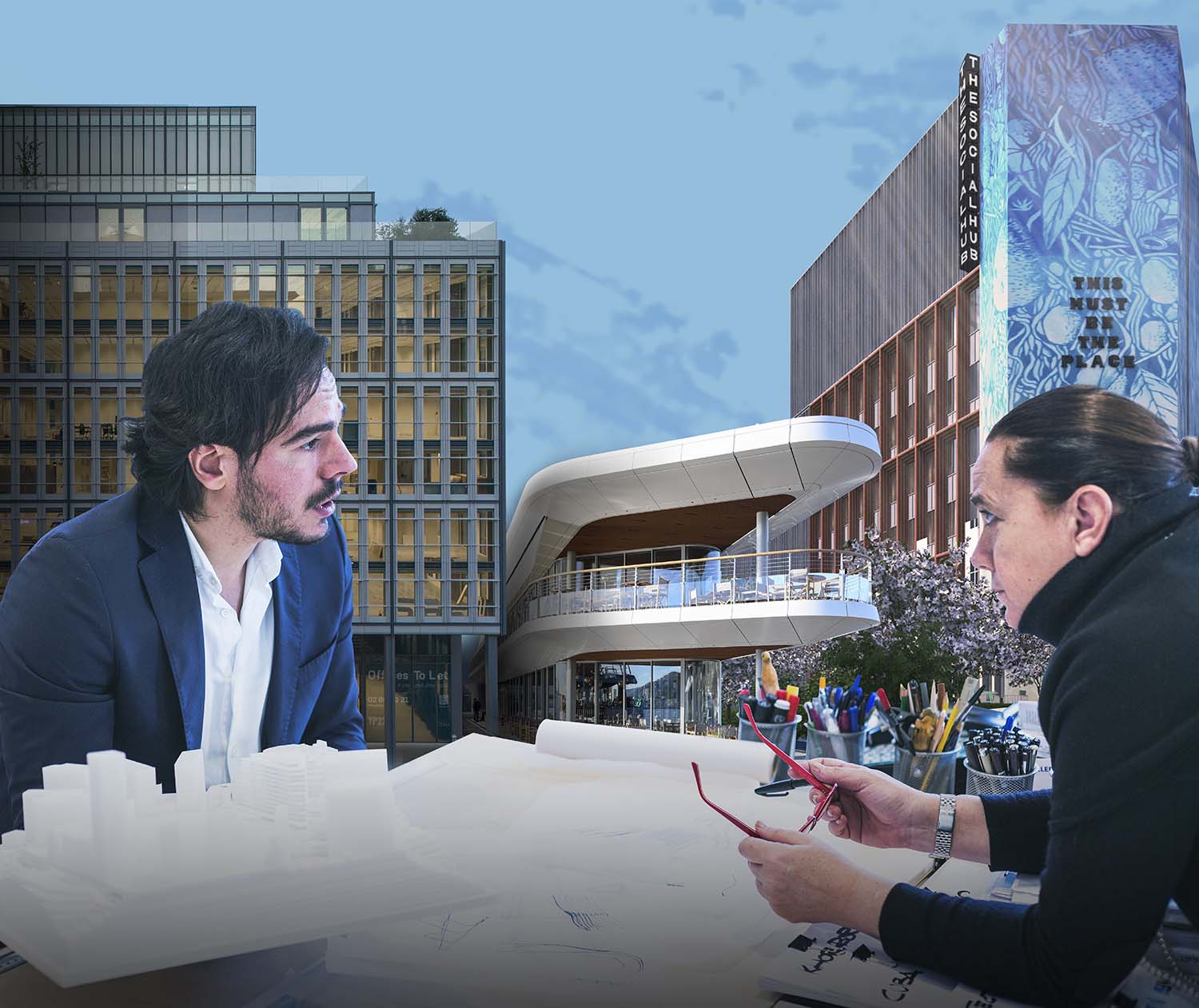
Tectoo has distinguished itself with an approach to architecture that fuses creativity, technical excellence, and environmental awareness. The studio is founded on the conviction that designing for the future means creating spaces that prioritize urban regeneration, a strong sense of place, and architectural quality.
Each project begins with a thorough research process that uses drawings, physical models, and 3D visualizations to explore innovative solutions and optimize design choices. Adaptability is a cornerstone of the studio’s practice, which it has fine-tuned through international projects ranging from private homes to major urban developments, and cultural and commercial buildings.
Among Tectoo’s defining traits is constant communication with clients, which is essential for setting shared goals and addressing functional, aesthetic, and environmental requirements. The studio collaborates with an extensive network of specialists to develop integrated, state-of-the-art solutions.
Tectoo’s keen design insight is demonstrated by its ability to interpret client needs and translate them into dynamic, functional spaces. This approach has enabled it to tackle complex projects with a rigorous, innovative methodology.
The studio integrates into its workflow advanced digital processes, such as Building Information Modeling (BIM), with meticulous attention to construction details and artisanal quality. This, and other digital platforms, enable the precise management of the design process, ensuring exceptional quality control and effective resource optimization.
Every project is the outcome of an analytical process that takes into account the urban, cultural, and social contexts. The studio’s design approach centers on a holistic vision that, by balancing technical and aesthetic aspects, creates spaces that nurture meaningful interactions and connections between occupants and their environment. Tectoo’s most notable projects include VP22 in Milan, Angst in Bordighera, Porto Carlo Riva in Rapallo, the Linate Airport District (LAD) in Milan, and The Student Hotel in Turin.
The practice’s ability to translate traditional architectural typologies into contemporary language has bolstered its international reputation, earning it accolades and awards for the quality and sustainability of its work.
Recently, Tectoo Studio has been honored with prestigious awards, including The Plan Real Estate Awards 2024 in Italy and the OPAL Award in London, confirming their commitment to innovation and excellence.
The Architects Series
The Space in-between, Architecture and the People
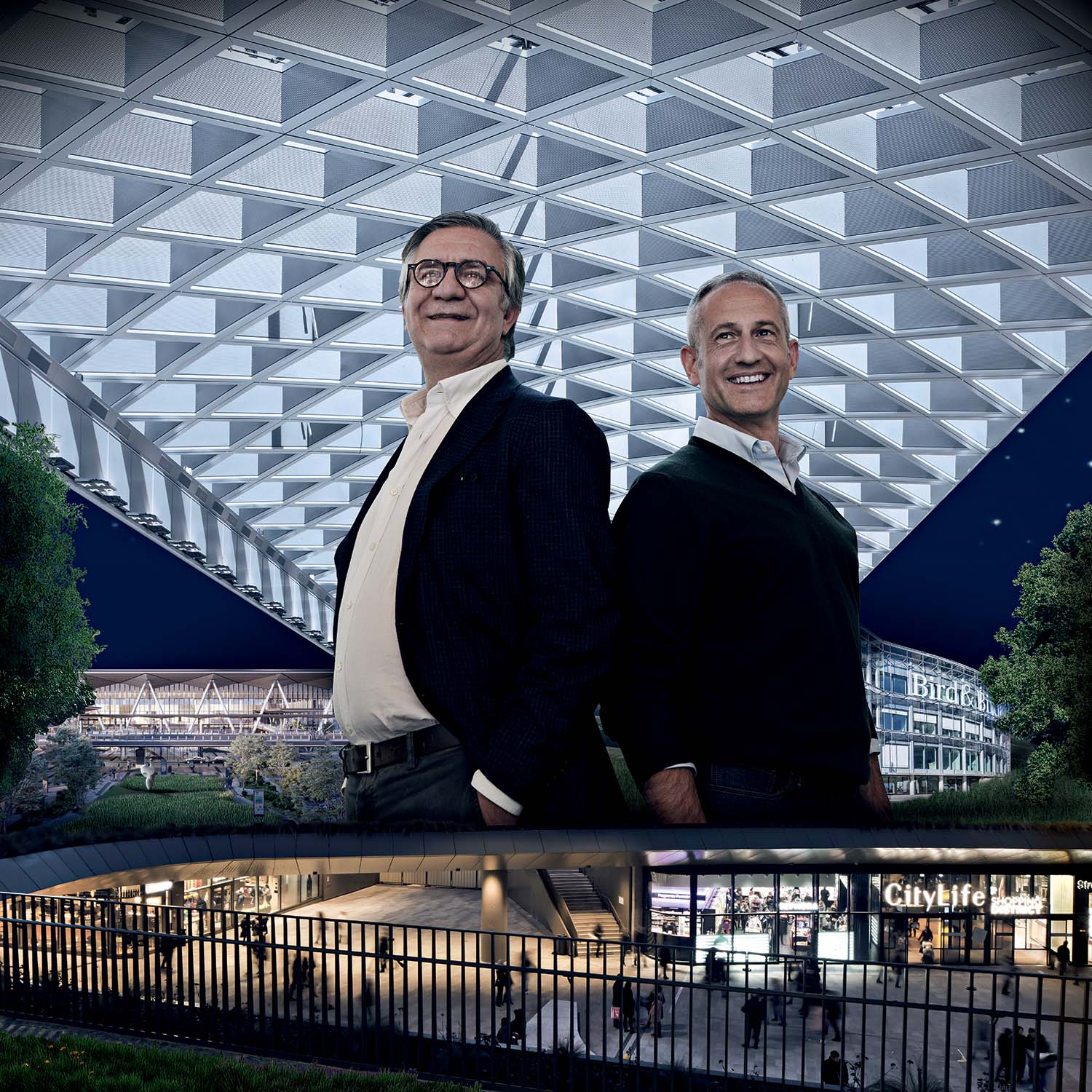
One Works is an international architecture firm led by Giulio De Carli and Leonardo Cavalli that stands out for an integrated approach that embraces design, infrastructure, and urban planning. Founded upon values of collaboration, creativity, commitment, and passion, the firm comprises a team of over 150 professionals in five offices strategically located in Milan, Venice, London, Rome, and Dubai. With its expertise, One Works has established itself as an international point of reference for aligning client needs and the aspirations of local communities.
One Works’ design methodology centers on quality and attention to detail. The principal goal is to create spaces that promote physical and virtual connections between people and places, envisioning space as a place for relationships and designing architecture that facilitates those interactions. Each project is seen as an act of transformation, capable of having a positive impact now and in the future. This is design that goes beyond problem-solving to become a space for experimenting and discovering new solutions, with collaboration among professionals forming an integral part of the process. One Works also boasts an innovative approach to collaborative design, using advanced technologies like Building Information Modeling (BIM) to foster cooperation among project participants, increase precision, and reduce completion times.
One Works’ approach has enabled it to work on high-profile projects in a wide range of sectors, from mobility to transport, urban planning, and real estate. Some of its most emblematic projects include Malpensa Airport (MXP), San Marino Outlet Experience, and Piazza Tre Torri in Milan CityLife. These projects are excellent examples of One Works’ ability to combine innovative design and functionality, effectively responding to mobility needs and the use of public spaces. Another important example is the expansion of Venice International Airport (VCE), a strategic project aimed at upgrading the airport’s functionality, improving traffic flows, and optimizing connections between different infrastructure and urban areas.
The 39th episode of The Architects Series is a unique opportunity to explore One Works’ vision and understand how architecture can positively impact connections between people, spaces, and movement. By examining key projects and dialogue with experts, the documentary provides special insights into innovative design processes and the ability to adapt to a constantly changing global context.
The Architects Series
New Horizons in Sustainability
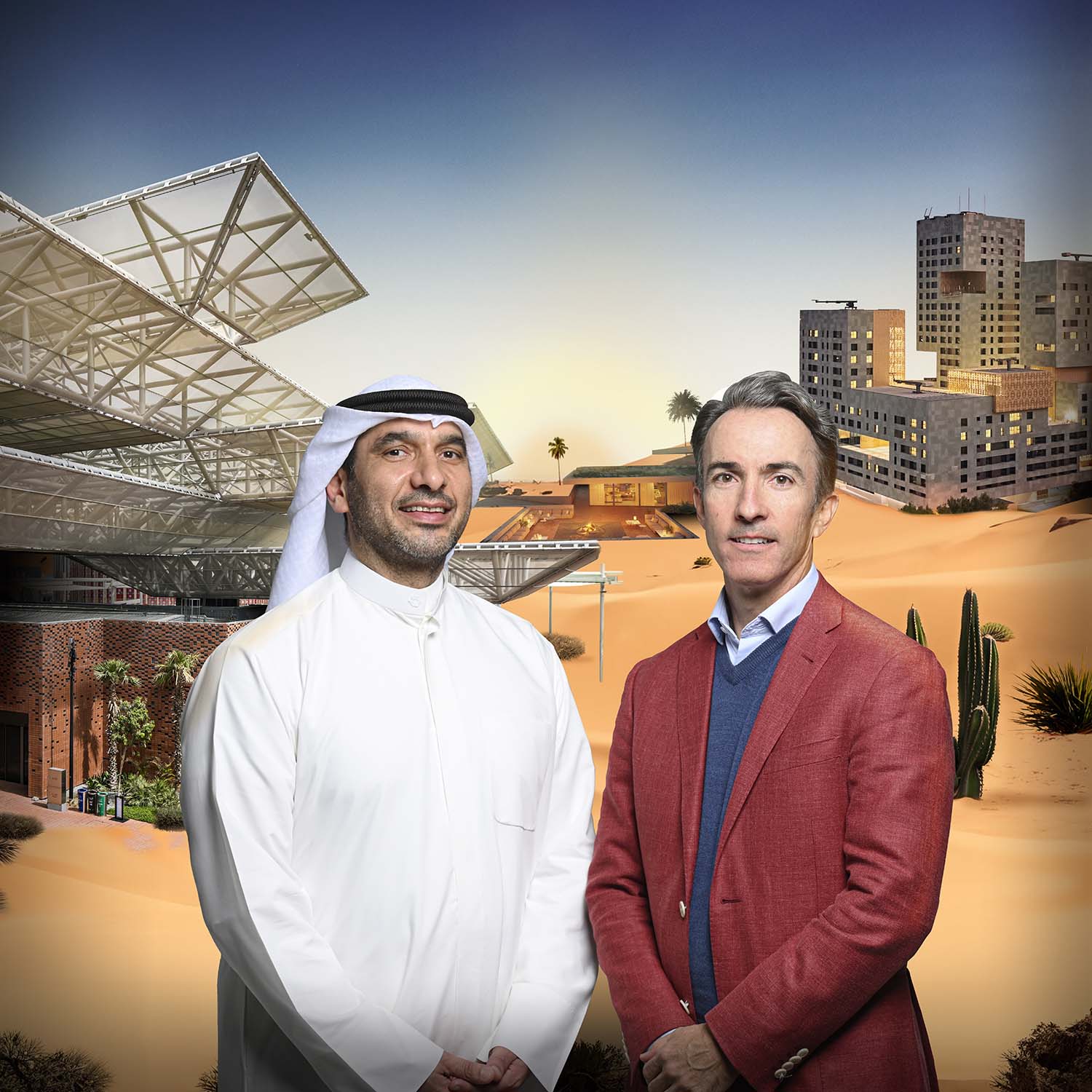
AGi Architects is an international architecture practice founded by Joaquín Pérez-Goicoechea and Nasser B. Abulhasan, both world-renowned architects who graduated from Harvard University. The firm stands out for the quality, creativity, and exclusive design of its projects, underpinned by an international, multidisciplinary approach. With offices in Kuwait and Madrid, the studio has a team of over 50 professionals, who work in synergy to provide architecture, interior design, and urban planning services. AGi Architects’ main focus is to create environments that represent added value for its clients, through distinctive and creative solutions.
Innovation is the driving force behind AGi Architects, constantly pushing it to find contemporary solutions to address new architectural challenges. The firm sees buildings as open, flexible systems, in which flows and interactions transform the boundaries of the architecture according to the content of its spaces. AGi Architects’ ecological and social commitment can be seen in its design processes and project maintenance, with a particular focus on minimizing energy consumption and maximizing the use of natural resources, such as sunlight. Research is a core value, with every project conceived as an element of everyday life and with the outer shell only an anticipation of the complete experience that will take place inside.
The studio specializes in several areas, including architecture, urban planning and design, and interior design. Its architecture division aims to create spaces that offer long-term sustainability through creative, thoughtfully designed solutions. Selected with an eye on energy-efficiency and cultural awareness, technology is seen as a means of improving living standards.
In its urban planning and design work, the studio is involved in researching urban and social relationships through projects such as the CRC Desert Campus and Alghanim Master Plan in Kuwait. Both of these projects transformed “non-places” into complex areas of interaction, triggering social development through urban planning without imposing foreign cultural models.
Its interior design team is passionate about attention to the details, which, even if invisible to the untrained eye, are essential in the overall vision of a space. Meticulous attention goes into textures, light, and shade to create environments tailored for specific uses and experiences.
AGi Architects has won over 50 international awards, including the prestigious Lafarge Holcim Awards, WAF Awards, Middle East Architect Awards, MIPIM Architectural Review, Identity Design Awards, and Cityscape Awards. The studio has also been recognized by the European Union Mies van der Rohe Award for Contemporary Architecture and the Aga Khan Award for Architecture.
AGi Architects continues to distinguish itself internationally through its commitment to innovation, sustainability, and quality design. With a vision that combines creativity and research, the studio creates environments that enrich the lives of clients and whole communities.
The Architects Series
The City as a Workshop of Uniqueness
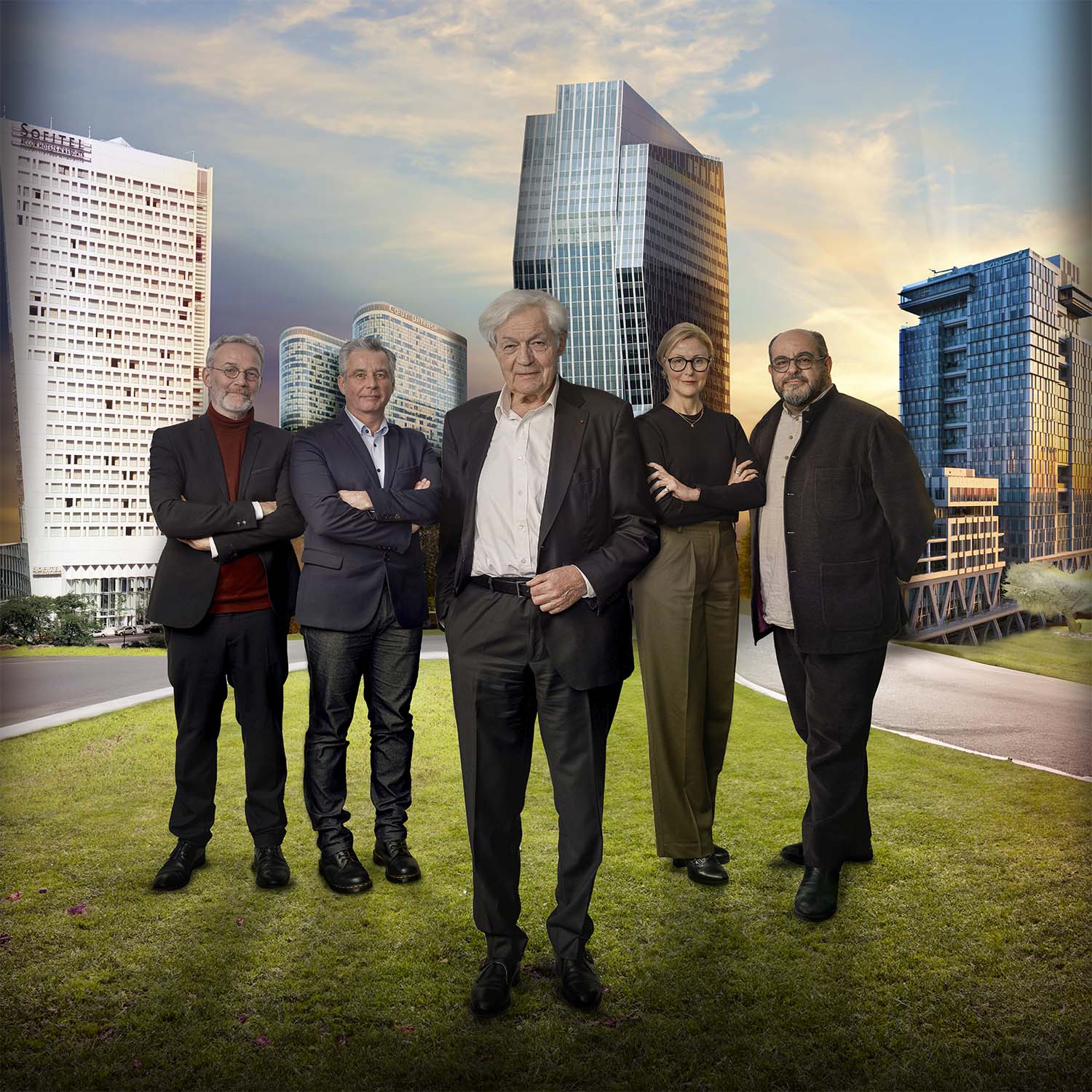
Founded by Jean-Paul Viguier, Parisian architecture studio VIGUIER defines itself as a “living organism,” with a unique personality and a unique approach to design. Its ability to create innovative architecture in unusual contexts has made VIGUIER an international point of reference. Its cross-sectorial approach and reputation outside France have seen the studio become one of the biggest names in French architectural design.
Headquartered in Paris with offices in Brussels and Casablanca, VIGUIER employs a team of 70 people from 15 different nations, creating a work environment that’s dynamic and rich in cultural diversity. This cultural melting pot gives life to projects that reflect the identities and values of the places where the practice operates.
Since its foundation, the studio has stood out for its understated and elegant creations. Iconic projects, such as the 1992 Seville Pavilion, the Sofitel Chicago Water Tower Hotel, the McNay Art Museum in San Antonio, and the Morocco Telecom tower, are just a few examples of its architectural style. Recently, the Canadian Embassy and Cultural Center, and the Coeur Défense, Majunga, and Aurore towers have further boosted its reputation, while transforming the skyline of Paris’s La Défense neighborhood.
Besides these high-profile projects, VIGUIER is recognized for its commitment to smaller but equally significant designs. An outstanding example is the low-tech school in the village of Besely, Madagascar, designed in collaboration with the Écoles du Monde association. This project, which includes a library and housing for the principal and teachers, uses environmentally friendly materials and was designed to be built using traditional local techniques. In fact, to construct the school, local builders produced 25,000 sun-dried mud bricks with the assistance of a specialized laboratory in Grenoble.
VIGUIER comprises four main independent but complementary divisions: architecture, interior design, urban planning, and landscaping for urban regeneration. Each project is unique, representing a cultural statement that reflects the values, identity, and nature of the context. VIGUIER embraces the classic concepts of architecture – beauty, utility, durability – and then adds an additional value by creating meaning in the form of emotion, direction, and purpose.
And VIGUIER applies the same principles of innovation, durability, and functionality to its interior design projects. The studio’s in-house architects weave together materials, light, colors, and textures to improve the quality of the built environment and support the wellbeing of occupants.
Its urban planning team takes a comprehensive approach to projects, responding to the challenges of the 21st century. VIGUIER’s “IntenCity” concept focuses on polycentric cities with multifunctional elements that generate synergies and improve the quality of urban life.
Landscape is central to VIGUIER’s approach to urban planning, with the studio responding to the human need for natural places by integrating green spaces into built environments. This approach reflects a sustainable vision of architecture that combines innovation and respect for the environment to create a harmonious balance between tradition and modernity.
VIGUIER continues its work to champion an architectural vision that seeks to harmonize innovation and respect for the environment, with a social and human approach that enhances community wellbeing.
The Architects Series
Beyond Aesthetics
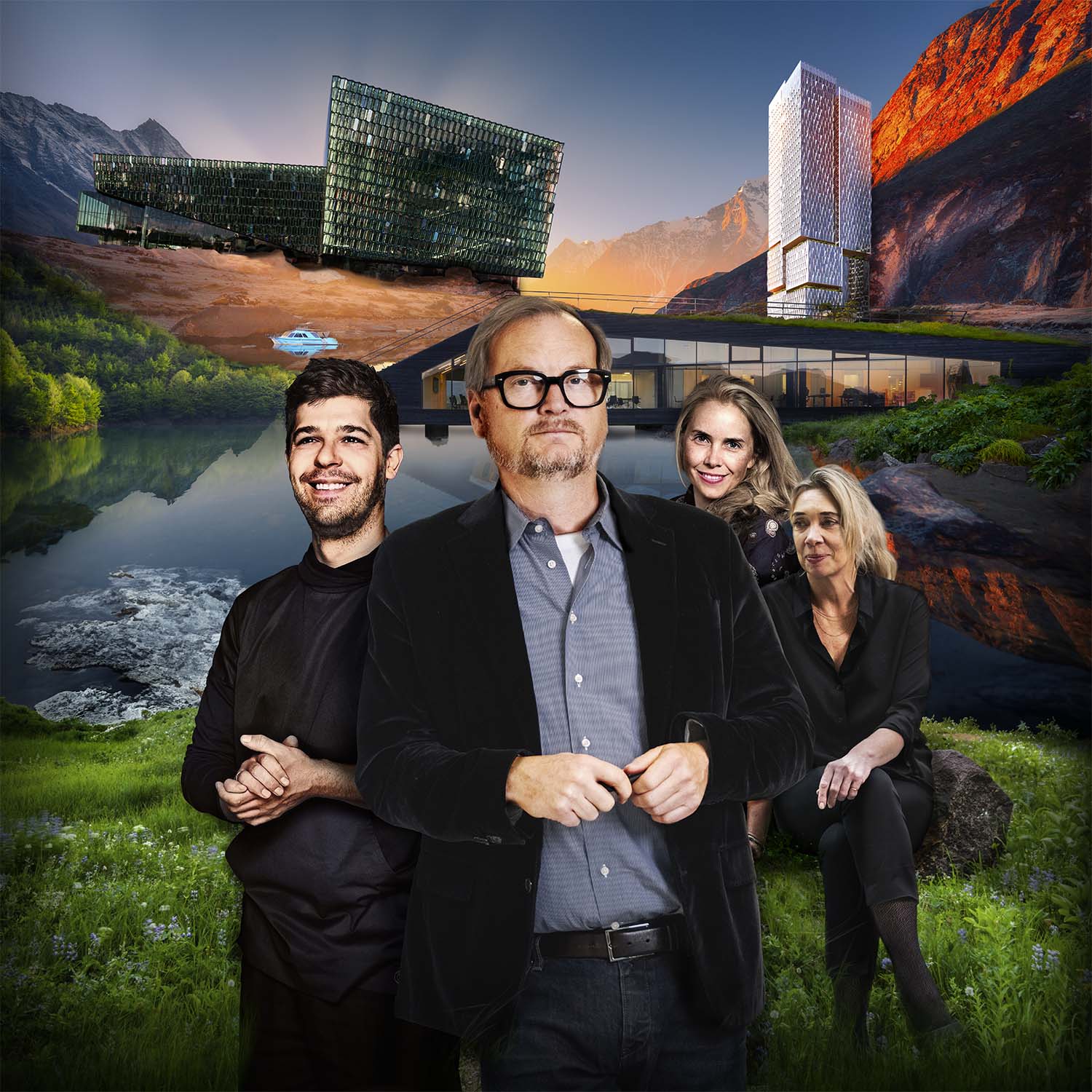
Henning Larsen Architects has always distinguished itself for an architectural language that is both sensitive and functional, with an emphasis on the adaptability and reactivity of its creations. From the earliest days, Henning Larsen himself has stressed the importance of curiosity and experimentation for fueling an approach in which ongoing dialogue with the local context and culture is a crucial element of each project.
Today, the studio goes beyond simply designing buildings to see architecture as an ongoing process of learning and adaptation. This approach is evident in the broad range of projects designed with the aim of enriching society and encouraging meaningful human interaction.
At the heart of Henning Larsen’s philosophy is an ever-sharpening focus on context, culture, and people. Research and innovation are also key, whereby new tools and methodologies, such as 3D modeling to analyze the impact of carbon in urban constructions (UrbanDecarb), are regularly created to develop more sustainable and context-friendly designs.
The concept of adaptability is also central. The studio’s projects respond to changing global and local needs, reflecting an ongoing commitment to improving and evolving architectural practice.
After Henning’s passing in 2013, the legacy of his approach remains a pillar for the firm, which continues to champion architecture that is both aesthetically pleasing and highly functional. In every project, the team seeks to address not only immediate needs but also to anticipate and facilitate future life scenarios.
Its most important awards include the Praemium Imperiale Laureate for Architecture, The European Union Prize for Contemporary Architecture – Mies van der Rohe Award, and the 2019 European Architect of the Year Award. Most recently, the practice won the 2021 ULI Asia Pacific Award of Excellence and, in 2023, the Fast Company award as one of the most innovative companies in the world.
Currently led by Managing Director Mette Kynne Frandsen and Global Market Director Jacob Kurek, and with over 600 employees in eight countries, the studio continues Henning’s legacy as a world leader in sustainable architecture and innovation, always keeping people and the nature of everyday life firmly in its sights.
The Architects Series
Simplicity is the New Luxury
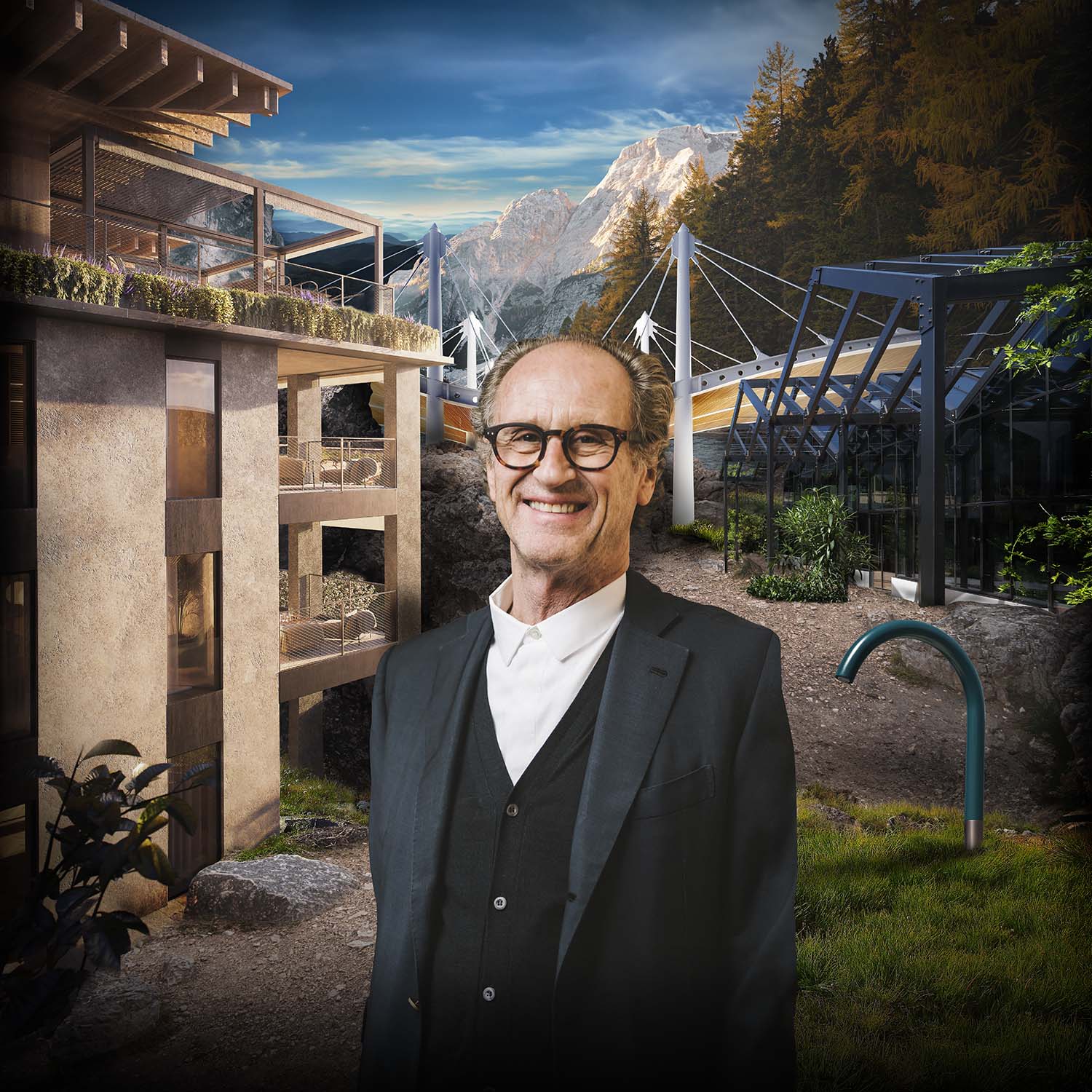
Founded in 1984 by Matteo Thun and with offices in Milan and Munich, Matteo Thun & Partners has always distinguished itself for its responsible and holistic design approach, creating architectural projects, designer goods, and iconic brands for an international clientele. The studio’s work is deeply rooted in respect for the genius loci, the spirit of place, this guiding every project and giving it a unique identity in its integration with its context.
The concept of botanical architecture is a key part of the studio’s design strategy as it seeks to achieve a constant balance between nature, interior design, and architecture. By using natural materials, such as stone and wood, and focusing on both indoor and outdoor green areas, the studio doesn’t just bring nature into its designs, but allows it to develop naturally and with respect for its rhythms and forms.
The innovative Three Zeroes philosophy – Zero Kilometers, Zero CO2, Zero Waste – underpins Matteo Thun & Partners approach to architecture, taking form in the use of local materials to reduce transport, efficient energy management to reduce CO2 emissions, and a building lifecycle management policy that focuses on recycling. These principles not only promote sustainability, but also aim for regeneration, offering an alternative to the complexity of current sustainability certifications.
Another distinctive element of the studio’s work is the importance it gives to the tactile and sensorial aspects of the spaces it designs. “HiTouch + Sensoriality” involves a preference for organic materials since they can speak to all the senses, imparting beauty, intimacy, and sensoriality without sacrificing functionality.
The studio is also committed to promoting healthy lifestyles through quality architecture and design – a model it defines as “healthy living.” Every project aims to provide physical and mental well-being, thereby allowing balanced relationships between humans and the environment to develop.
With a team of 80 architects and designers, Matteo Thun & Partners is involved in every sector, from residential to hotels and restaurants, hospitals and clinics, workspaces, and offices. Its refined compositional approach aims at simplification to create timeless, durable, sustainable, and elegant architecture.

The Architects Series
Trends in Hospitality
Since 2011, architecture and interior design studio NOA (Network of Architecture) has been driving innovation in the hospitality industry with projects that have redefined the architectural landscape of the Alps. The practice is now turning its attention to international markets, including the Netherlands, Croatia, the United States, and the Caribbean. Created from the vision of Stefan Rier and Lukas Rungger, NOA has now been operating for over a decade. During this time, it has constantly pushed its architectural vision towards creating synergies with local areas and new interpretations of space.
NOA’s philosophy centers on the belief that each project is a journey into knowledge and a means of telling unique stories, while enhancing the locations of its projects. This approach has led to the firm creating a broad range of architectural typologies, such as the Ötzi Peak viewing platform at 10,666 ft. (3251 m) on the Val Senales glacier, the Transsensorial Gateway sound installation for INTERNI Creative Connections at Fuorisalone 2021 in Milan, and its entry in the competition for the new European Library in Milan.
Working with a network of over 30 professionals, NOA has distinguished itself for its interdisciplinary approach and ability to transcend style and trends, creating projects ranging from an oceanfront home to a high-altitude observation platform, a cultural center, and an exhibition pavilion. The studio is also behind the Silente product line, which includes lamps, designed in collaboration with Lichtstudio, and an outdoor chair and table, designed in collaboration with lapiegaWD. Among its best-known projects are Casa Messner, the Zallinger Alpine village, and Hubertus Hotel, famous for its cantilevered swimming pool and suspended Hub of Huts.
NOA has received several major recognitions, including the prestigious AHEAD Award in the Guestrooms category for the Monastero project in 2022, and a finalist nomination in the Italian Architecture Award, organized by MAXXI and Triennale Milano, for the Ötzi Peak lookout platform.
NOA’s architecture is an ongoing exploration of artisanry and technology, in which sophisticated techniques from the past merge with the bold innovations of the future. This spirit of experimentation avoids architectural repetition while seeking new ways to interpret space, always in terms of landscape and context. With offices in Bolzano, Berlin, Turin, and Milan, NOA is a powerhouse of activity that’s constantly fueling its curiosity and drawing inspiration from these cities for its projects. The team works as an open workshop, where boundaries are destined to be crossed, broken, and erased in a continuous journey into new interpretations of architecture and design.
The Architects Series
Between History and Progress
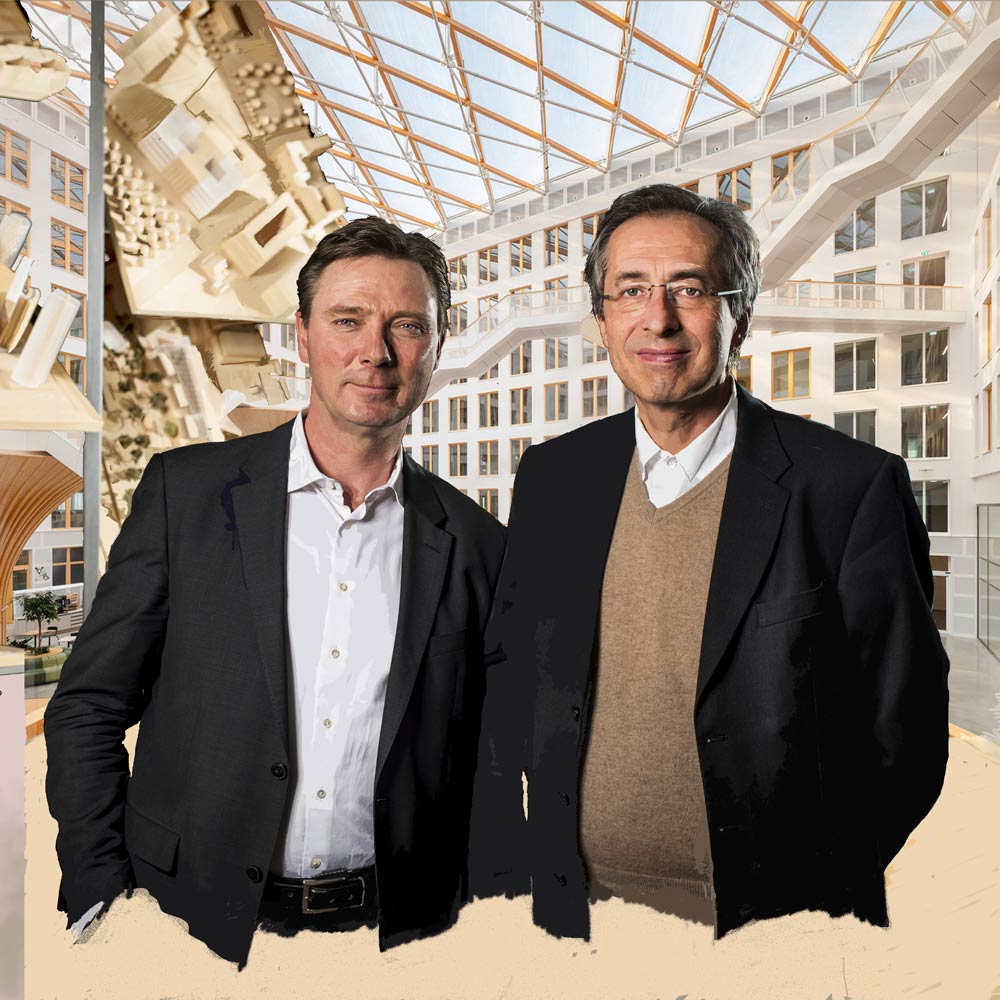
Founded in 1931 through a visionary partnership between architects Herbert Sprotte and Peter Neve, the Tchoban Voss Architekten studio has constantly worked to push the boundaries of architecture beyond the contemporary. The turning point in studio’s history happened between 1970 and 1974, when architects Alf M. Prasch, Wolfgang Nietz, and Peter Sigl became part of the first group of designers, bringing with them a new vision to the firm. After a series of important projects, Sergei Tchoban and Ekkehard Voss became partners in the studio in 1995, taking on leadership positions. Since 2009, the demands of a variety of projects have required further management changes. This has seen the studio expanding and welcoming new partners. In 2017, the studio adopted the name Tchoban Voss Architekten as a hallmark of a new change. Today, with offices in Hamburg, Berlin, and Dresden, and a highly skilled, interdisciplinary team of over 180 professionals, the firm continues to shape the built environment, working with both public and private clients internationally. This video is an opportunity for discussion and study for all architects who want an insight into a studio working at an international level.
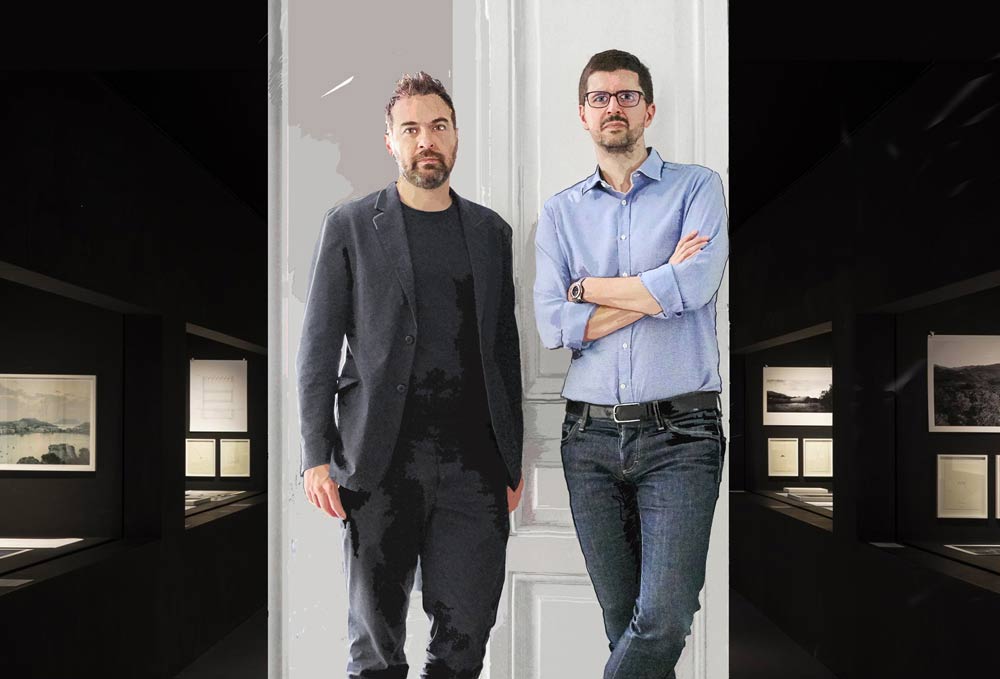
The Architects Series
On Continuity
Barozzi Veiga is a highly respected architecture studio, founded in 2004 in Barcelona by Fabrizio Barozzi and Alberto Veiga. The practice has always regarded excellence as a fundamental goal for all its projects. The studio has created iconic cultural, urban, and educational buildings that have earned it international acclaim. Barozzi Veiga’s architectural vision encompasses both the public and private sectors. Marked by meticulous craftsmanship and thoughtful design, their projects captivate people around the world. The Ribera del Duero headquarters (2011), the Infanta Elena Auditorium in Águilas (2011), and the Szczecin Philharmonic Hall (2014) are just some of the creations of the Spanish team that have left an indelible mark on the architectural landscape. This video is an important opportunity for discussion and study for all architects who want to closely analyze the design dynamics underlying the greatest works of contemporary architecture.
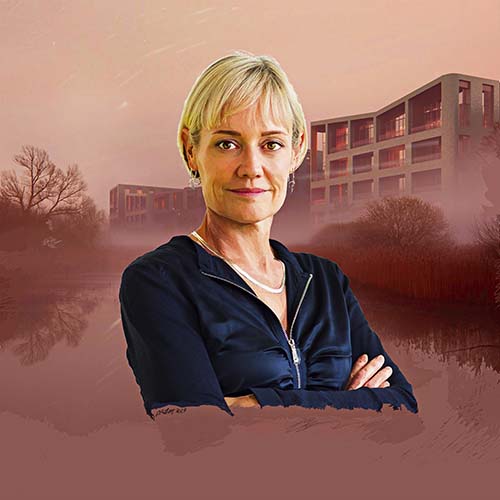
The Architects Series
Context Is Everything
Alison Brooks Architects’ approach combines cultural research and artistic vision, using these elements as catalysts for community involvement and the development of new architectural expression. The course is an important opportunity for all architects who want to deepen their understanding of the fundamental aspects of major international projects.
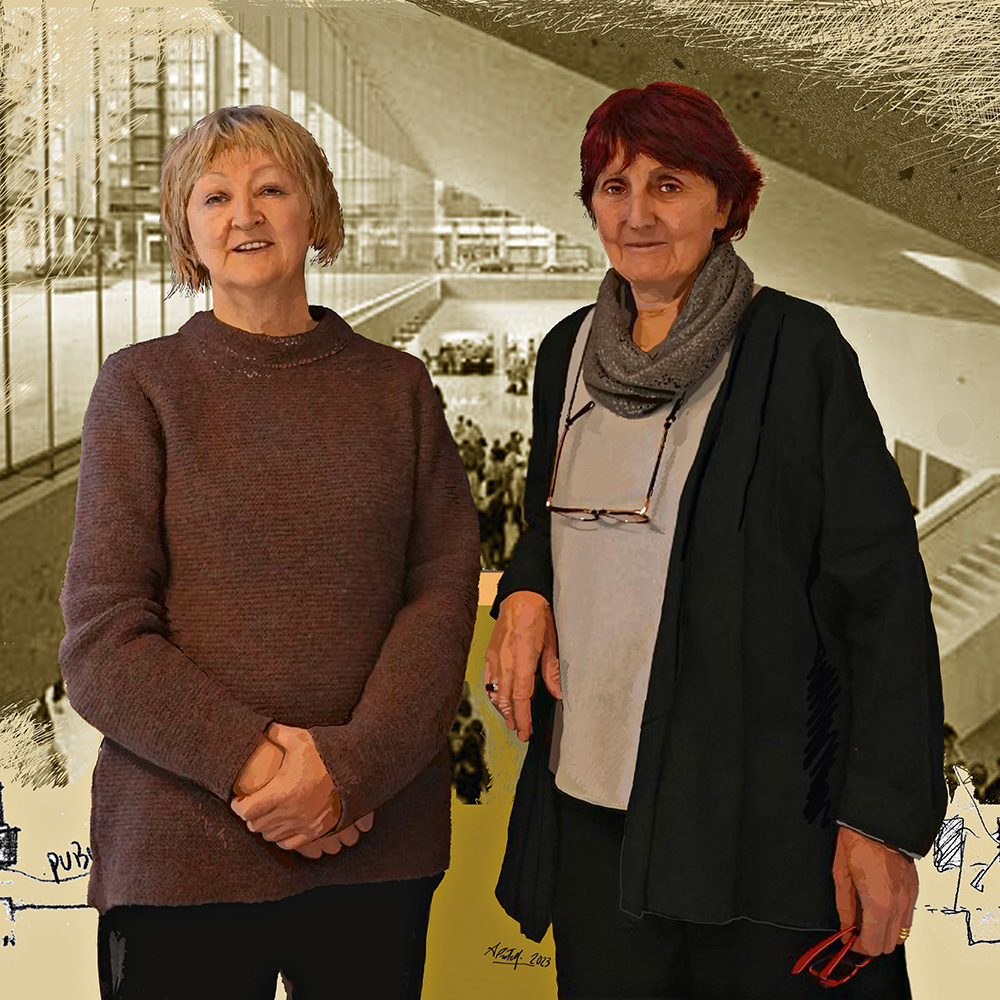
The Architects Series
Finding the DNA
The
course deals with architecture based on the fundamental concepts that guide
Grafton Architects, an internationally renowned architecture studio based in
Dublin, Ireland. Established in 1978 by Yvonne Farrell and Shelley McNamara,
the studio has become a benchmark on the contemporary architecture scene
because of its ability to create innovative, functional spaces that elegantly integrate
into their surroundings. Approved by AIA CES-USA and CPD-UK for RIBA members.
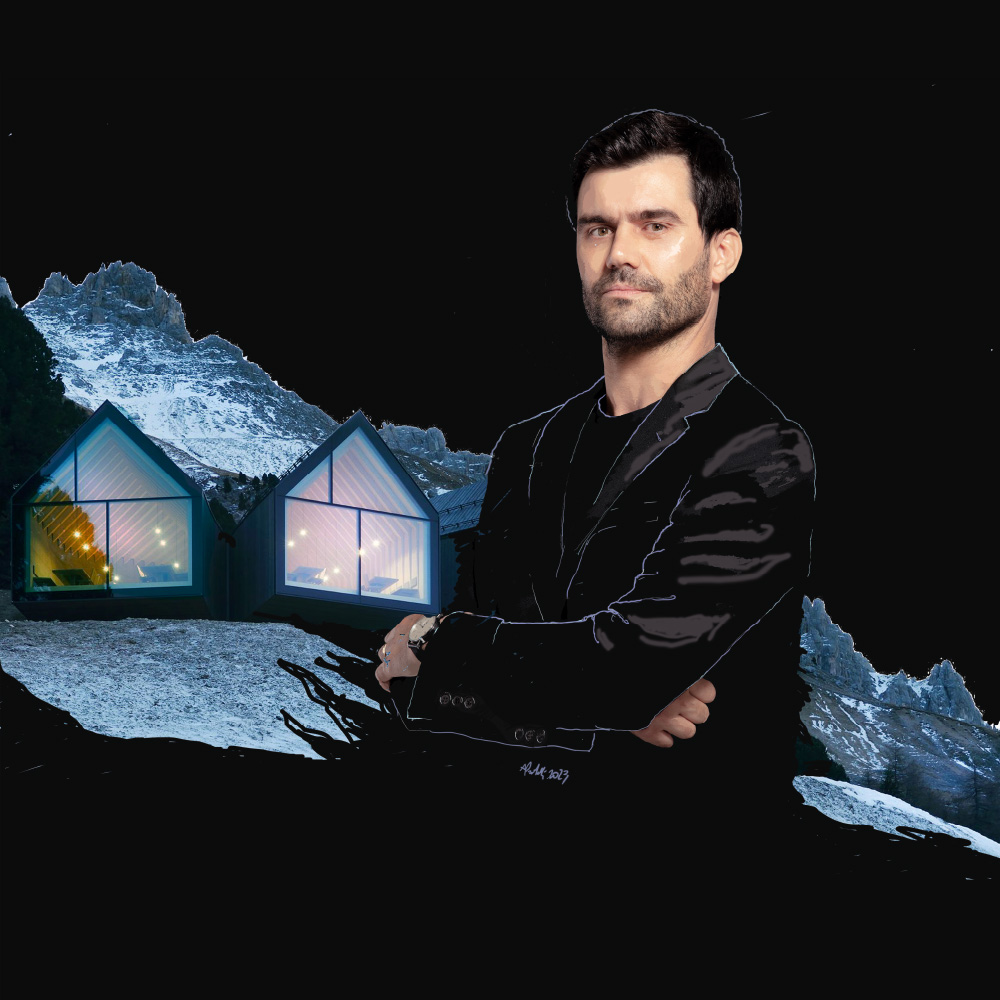
The Architects Series
Building in Dialect
The
course deals with new architectural ideas that can improve quality of life. Milan-based
studio Peter Pichler Architecture (PPA) has always attracted a great deal of attention
in the world of architecture. Its young, dynamic, and innovative team has been
internationally recognized, receiving numerous awards and mentions from institutions
around the world. Approved by AIA CES-USA and CPD-UK for RIBA members.
The Architects Series
Constructing the idea – Architecture in the low-carbon future
The course deals with
the design and construction of high-performance buildings that both satisfy
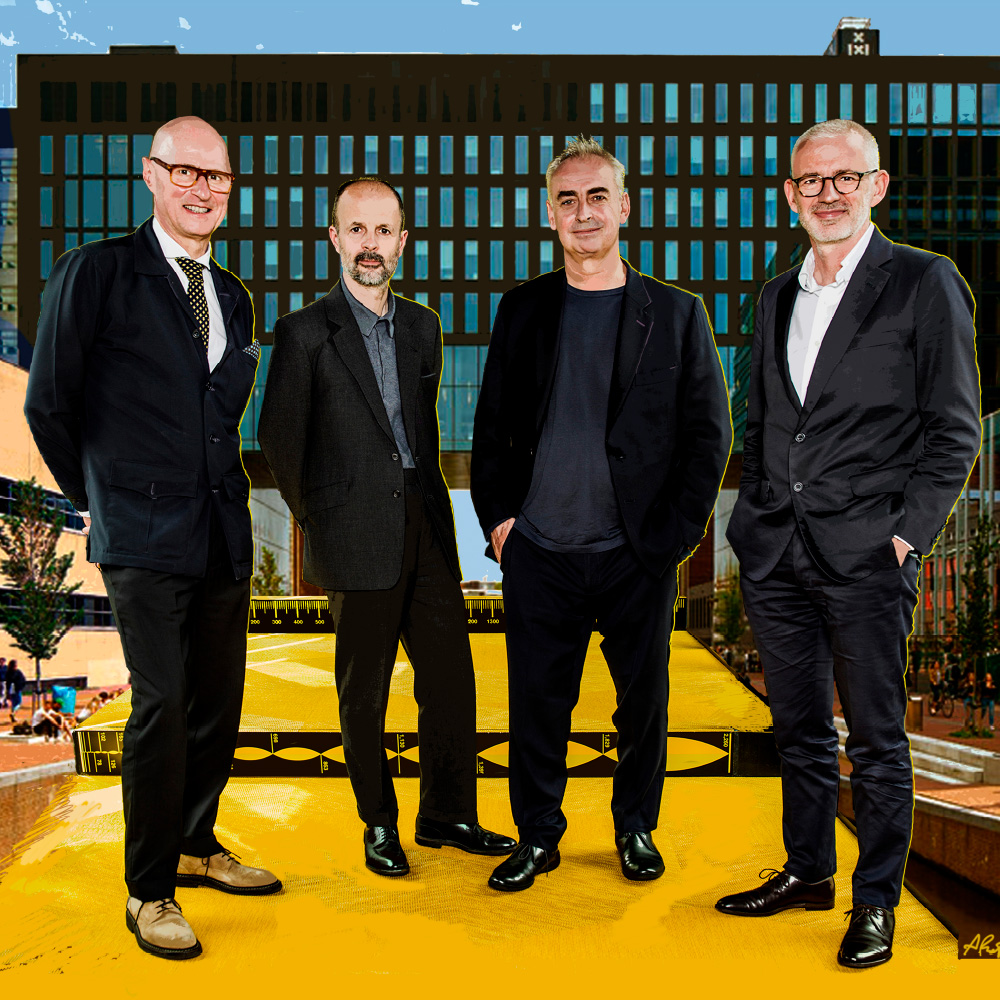
client expectations and create vibrant, innovative urban spaces. Allford Hall
Monaghan Morris (AHMM) is an international architecture firm founded in 1989 by
Simon Allford, Jonathan Hall, Paul Monaghan, and Peter Morris, all of whom met
at the Bartlett School of Architecture. Approved by AIA CES-USA and CPD-UK for RIBA members.
The Architects Series
Recent projects
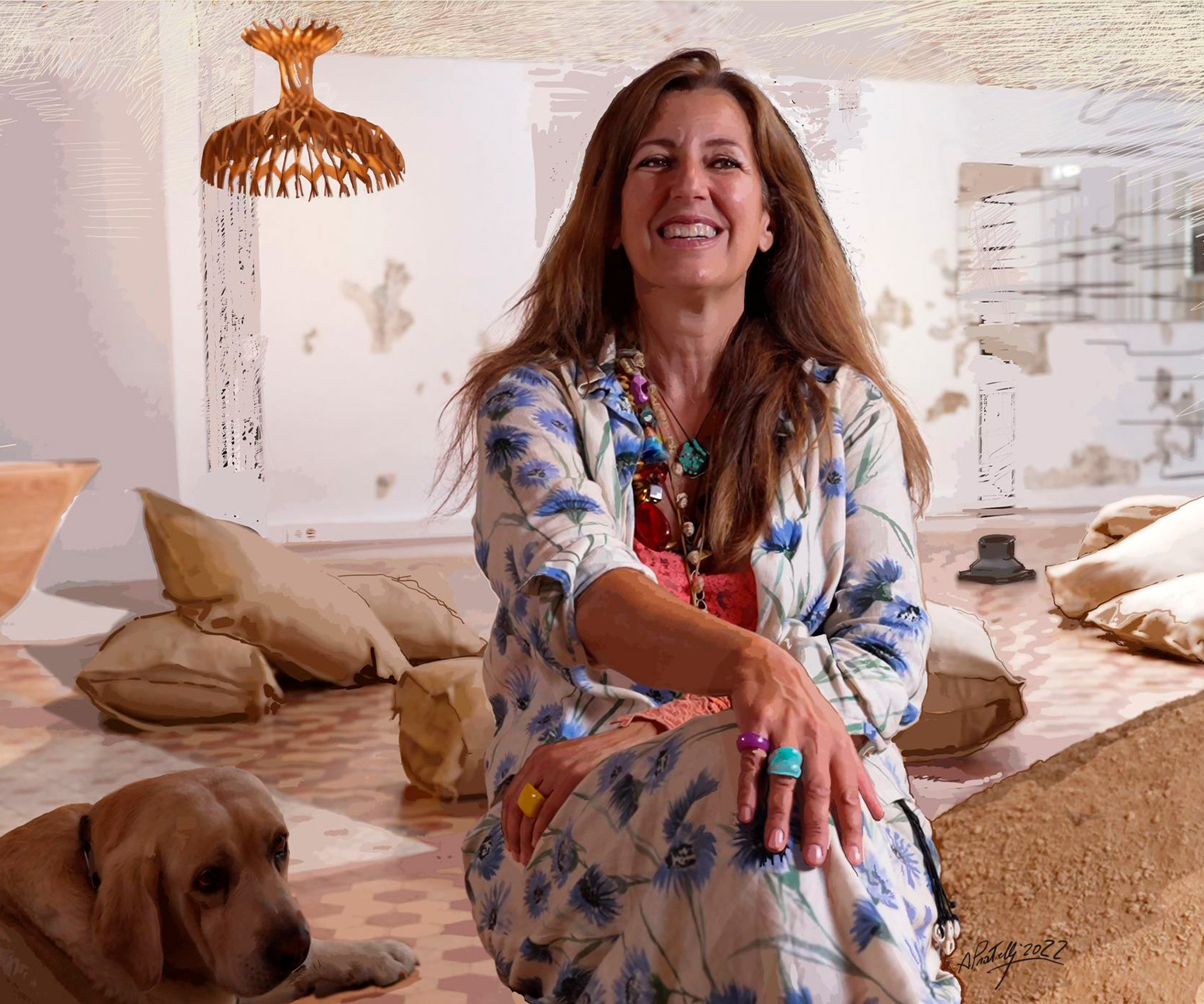
The course deals with new architectural ideas that can improve people’s quality of life. Benedetta Tagliabue – EMBT, a firm that has been involved in a broad range of projects since it was founded, outlines its innovative architectural vision through the voices of its most prominent professionals. Approved by AIA CES-USA and CPD-UK for RIBA members.